Ancient News Ancient discoveries, decoded for modern Britain

Ancient News

Ancient discoveries, decoded for modern Britain

Latest Articles

The Emperor’s Face Is Only the Beginning: Reading Roman Coins Found in Britain
Myth-Busting

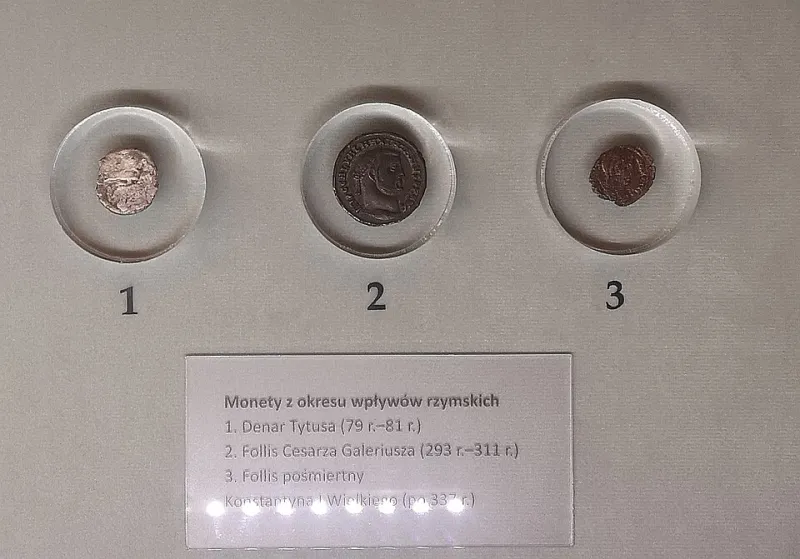
The Emperor’s Face Is Only the Beginning: Reading Roman Coins Found in Britain

Roman coins are often asked to carry neat stories about invasion, trade and collapse. In Britain, the messier evidence — wear, clipping, copies and findspots — is usually more revealing. Here’s what a humble denarius can and cannot tell you.
Pass the Pork, Hold the Mistletoe: What Britain's Ancient Midwinter Tables Actually Held
Myth-Busting

Pass the Pork, Hold the Mistletoe: What Britain's Ancient Midwinter Tables Actually Held

Every December, someone confidently tells you Christmas is really Saturnalia with a hat on. The bones, pots and seeds tell a messier, hungrier story — of pigs slaughtered at the right time of year, honey-sweetened brews, Roman imports and a great deal of uncertainty about what anyone thought they were celebrating.

The R-Word in the Trench: Why ‘Ritual’ Is British Archaeology’s Favourite Shortcut
Myth-Busting

The R-Word in the Trench: Why ‘Ritual’ Is British Archaeology’s Favourite Shortcut

A shoe in a Roman well, a skull under an Iron Age floor, a coin in a bathhouse drain — British museum labels reach for ‘ritual’ surprisingly fast. Here’s how archaeologists actually use the word, and how to tell a real argument from a hopeful guess.

The Interpreter in the Room: Roman Britain’s Messy, Multilingual Reality
Myth-Busting

The Interpreter in the Room: Roman Britain’s Messy, Multilingual Reality

Roman Britain is often pictured as a simple language machine: Latin in the fort, Brittonic in the roundhouse. The evidence is far scruffier — a patchwork of interpreters, traders, soldiers and local grandees making themselves understood in scraps of borrowed speech. This is a myth-busting look at who actually did the talking.

The Holes That Remember: Rebuilding Britain's Vanished Timber Circles
Archaeology

The Holes That Remember: Rebuilding Britain's Vanished Timber Circles

Britain's prehistoric timber circles have left behind little more than rings of stained soil, yet they were once among the most dramatic structures in the landscape. Here's how archaeologists turn postholes into architecture, and why the arguments about what these places were for are far from settled.

The Gods Have Received Your Complaint: Roman Britain’s Very Ordinary Grudge Archive
Myth-Busting

The Gods Have Received Your Complaint: Roman Britain’s Very Ordinary Grudge Archive

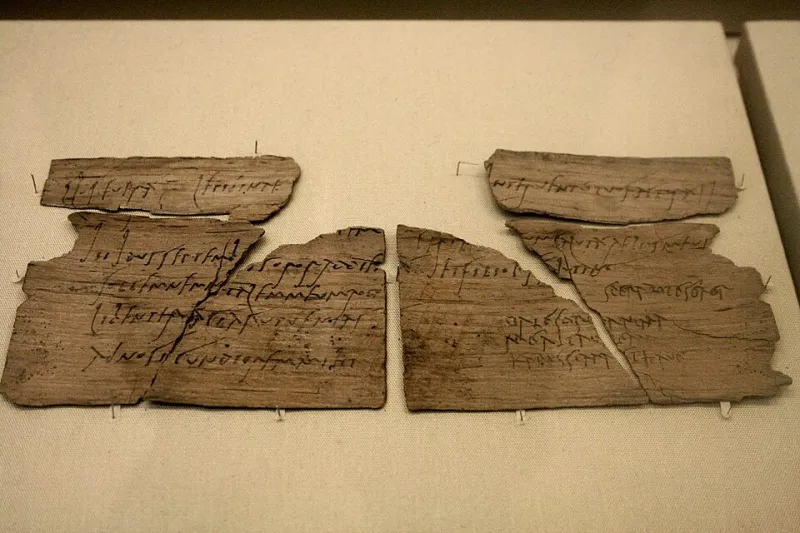
Roman curse tablets are often sold as relics of shadowy cults and mysterious rites. In Britain, they look far more like small-claims forms addressed to Sulis Minerva or Mercury: stolen cloaks, dodgy rivals and a request that somebody upstairs sort it out.

What the Peat Giveth, the Drain Taketh Away: Britain’s Bog Bodies Are Running Out of Time
Myth-Busting

What the Peat Giveth, the Drain Taketh Away: Britain’s Bog Bodies Are Running Out of Time

Britain’s bog bodies are often framed as eerie time capsules, but Lindow Man, Worsley Man and their peat-preserved kin are fragile archaeological archives with a conservation deadline. Drainage, drought and museum dilemmas are forcing a rethink about how we study, display and respect them.

Beakers, Burials and Bad Headlines: What Bronze Age DNA Can (and Can’t) Tell Us About Who Moved to Britain
Myth-Busting

Beakers, Burials and Bad Headlines: What Bronze Age DNA Can (and Can’t) Tell Us About Who Moved to Britain

Ancient DNA has reshaped the Bronze Age story, but the splashy headlines often miss the mess. Here’s what the science actually says about Beaker-period migration, pottery fashions and marriage networks — and why ‘invasion’ is the wrong word.

The Rules Were Never in the Box: Britain’s Ancient Games and the Trouble With Knowing How to Play
Myth-Busting

The Rules Were Never in the Box: Britain’s Ancient Games and the Trouble With Knowing How to Play

Britain’s museums are full of ancient dice, counters and things labelled ‘gaming pieces’ — but the rules almost never survive with them. This is what those small finds can honestly tell us about leisure, gambling and cheating, and where modern imagination starts doing the heavy lifting.

The Fire-Cracked Enigma: Reading Britain’s Burnt Mounds Without Pretending They’re Solved
Archaeology

The Fire-Cracked Enigma: Reading Britain’s Burnt Mounds Without Pretending They’re Solved

They look like little more than heaps of shattered stone and charcoal, yet burnt mounds are scattered across Britain and Ireland by the thousand. This explainer separates the solid archaeology from the sauna-and-stew speculation — and explains how to spot one without turning it into a story it can’t support.

The Sea Is Editing Britain’s Hillforts — And the Race Is to Read Them Before It Finishes
Archaeology

The Sea Is Editing Britain’s Hillforts — And the Race Is to Read Them Before It Finishes

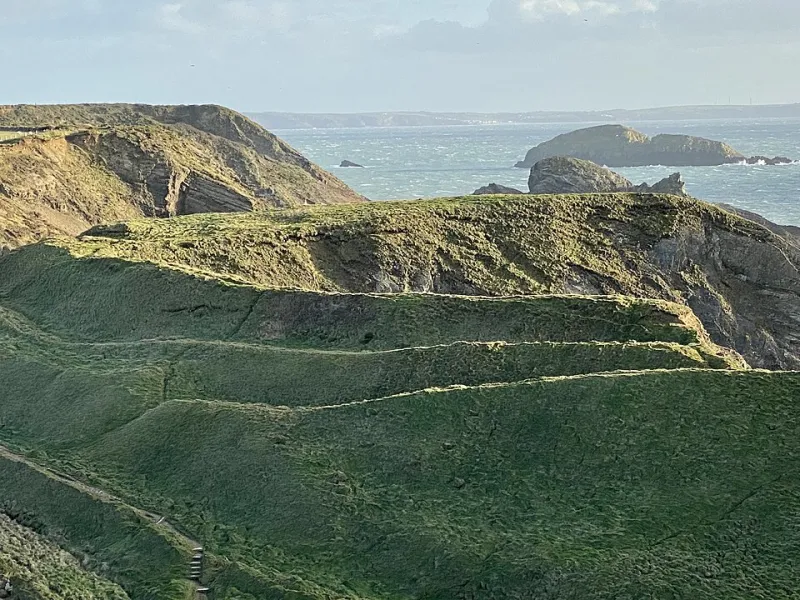
Coastal erosion is nibbling at Iron Age hillforts from Cornwall to East Lothian, turning dramatic headland defences into emergency archaeology. But the story is not just about loss: drones, volunteers and rapid surveys are revealing that many of these sites were never the grim war fortresses of popular imagination.

Cavities, Cereal and Chemical Passports: Reading Ancient Britain Through Its Teeth
Archaeology

Cavities, Cereal and Chemical Passports: Reading Ancient Britain Through Its Teeth

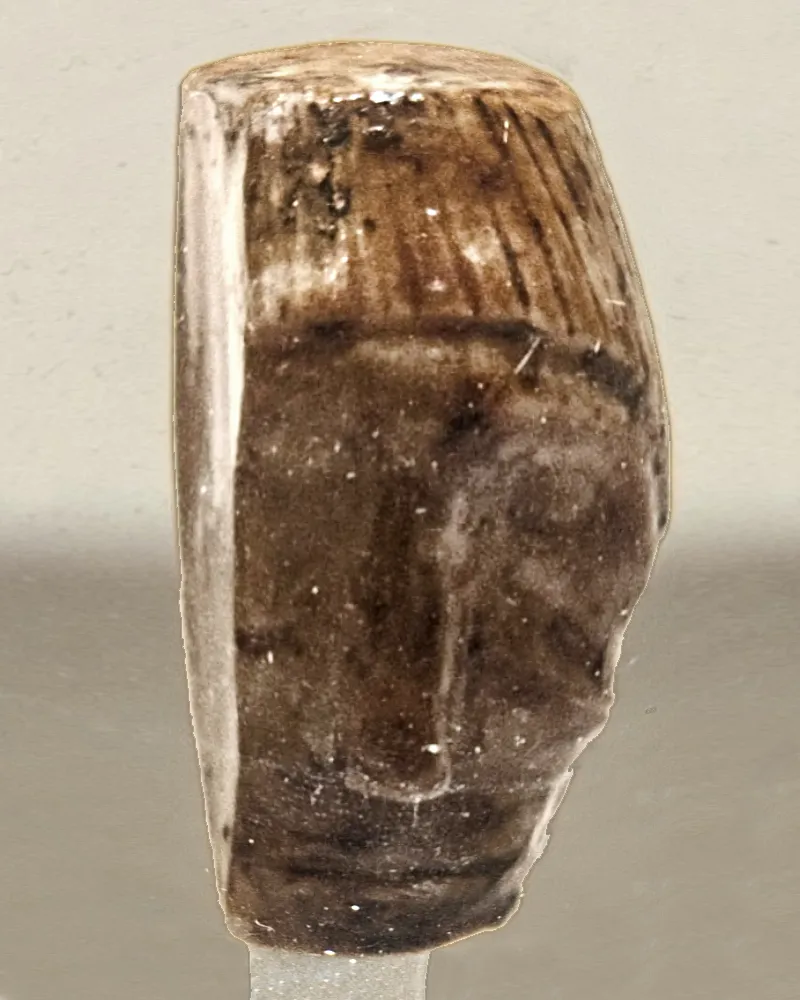
A single tooth can hold decades of evidence: gritty bread, childhood illness, and the chemical signature of a life spent moving across Britain and beyond. We look at how plaque, isotopes and ancient DNA are turning ancient mouths into one of archaeology’s richest archives — and why that matters for museum displays today.

The Straight Road Test: How to Spot a Real Roman Route (and When It's Just a Farmer's Folly)
Myth-Busting

The Straight Road Test: How to Spot a Real Roman Route (and When It's Just a Farmer's Folly)

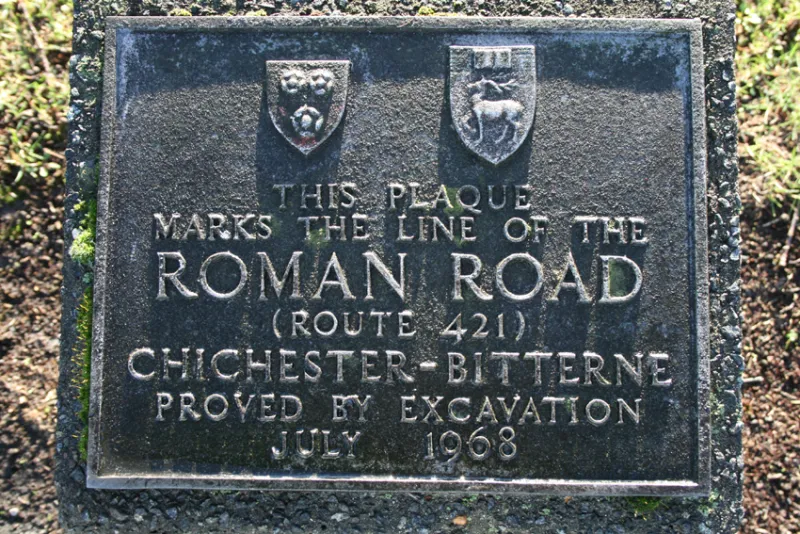
Half the straight lanes in Britain get called Roman before anyone's checked the evidence. Here's how archaeologists actually trace lost roads — and how to read your local map without falling for a folk tale.

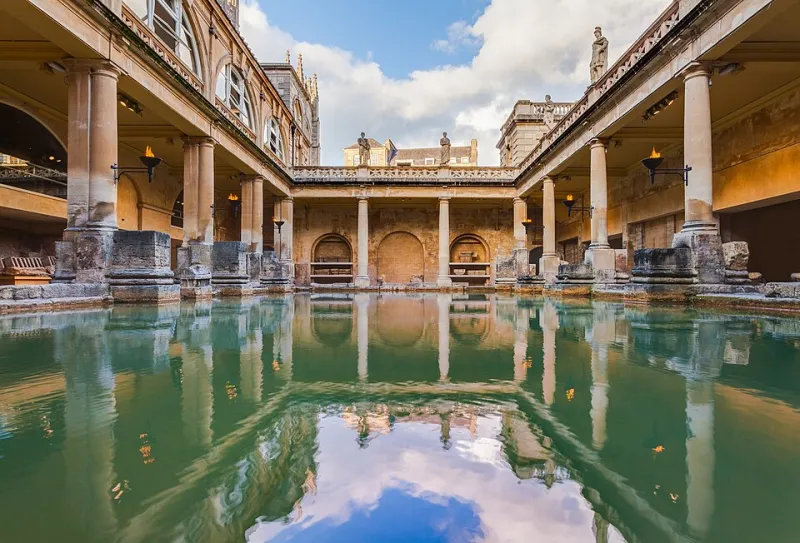
Steam, Scrapers and Stolen Cloaks: Inside a Real Roman Bath Day in Britain
Archaeology

Steam, Scrapers and Stolen Cloaks: Inside a Real Roman Bath Day in Britain

Roman Britain was not just legions, walls and villas. For many people, the bathhouse was where gossip, business, bathing and social climbing all happened at once. Here is what the drains, curse tablets and writing tablets actually reveal about a day at the baths.

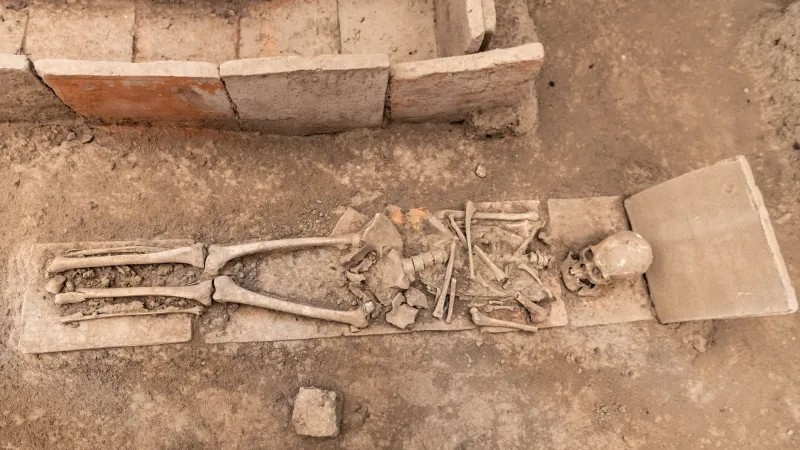
Not Curiosities: Britain’s Quiet Rethink on Storing Ancient Skeletons
Archaeology

Not Curiosities: Britain’s Quiet Rethink on Storing Ancient Skeletons

Britain’s museums hold thousands of ancient human remains, many never displayed. A growing coalition of archaeologists, descendant groups and modern pagans argues that reburial deserves a fair hearing. As 2026 unfolds, is a UK-wide policy finally within reach?

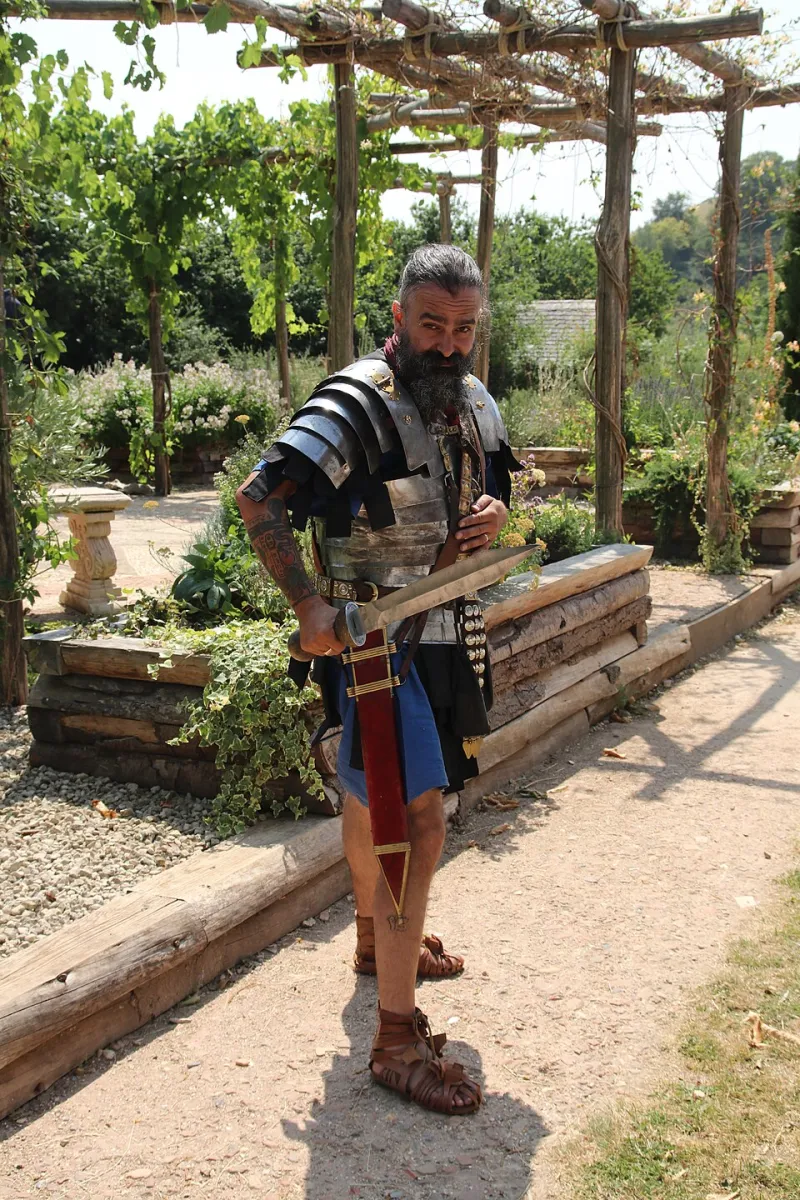
The Ninth Legion Didn't Vanish in the Mist — Rome Just Filed It Away
Myth-Busting

The Ninth Legion Didn't Vanish in the Mist — Rome Just Filed It Away

Britain's favourite Roman mystery has been retold in novels, a BBC serial and a Hollywood film — but the actual evidence for the Ninth Legion looks less like a battlefield and more like a filing cabinet. We trace the inscriptions, tile stamps and discharge certificates that tell a far duller, far more convincing story.

A Round's Worth of Ruins: Seven Ancient Sites That Cost Less Than a Pint
Archaeology

A Round's Worth of Ruins: Seven Ancient Sites That Cost Less Than a Pint

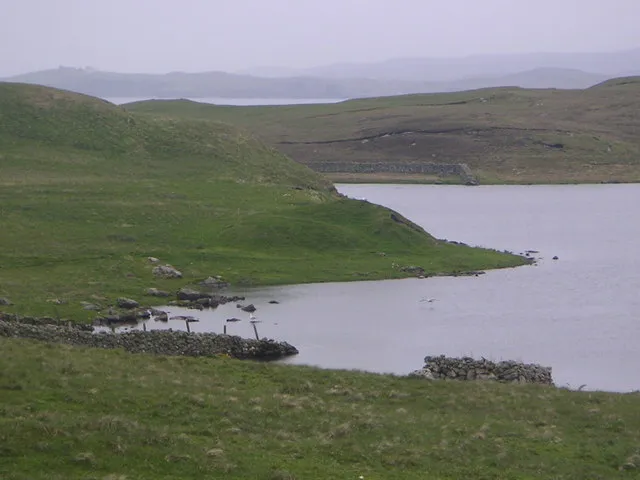
Who needs a £25 museum ticket when half the country's best prehistoric and Roman monuments are free, or close to it? From Cornish fogous to Shetland longhouses, here are seven sites worth the train fare — each paired with one idea about ancient Britain that the archaeology quietly undermines.

What Happens When Your Detector Beeps? Thirty Years of Treasure Law in Britain
Archaeology

What Happens When Your Detector Beeps? Thirty Years of Treasure Law in Britain

The Treasure Act 1996 changed the relationship between metal detectorists, museums and the British public. Thirty years on, the system has produced spectacular finds and familiar tensions. Here’s how it works — and what actually happens when a find is declared treasure in 2026.

Stop Calling Every Wet Dig ‘Britain’s Pompeii’ — Must Farm Deserves Its Own Story
Myth-Busting

Stop Calling Every Wet Dig ‘Britain’s Pompeii’ — Must Farm Deserves Its Own Story

Must Farm is one of the most remarkable prehistoric sites ever excavated in Britain. It is not Britain’s Pompeii — and pretending otherwise sells both places short. Here’s what the evidence from the Cambridgeshire fens can actually tell us about Bronze Age life.

Under the Lawn, Under the Tarmac: Why Britain's New-Builds Keep Hitting Roman Villas
Archaeology

Under the Lawn, Under the Tarmac: Why Britain's New-Builds Keep Hitting Roman Villas

Hardly a month passes without a digger clipping through a Roman floor somewhere in England. From a Rutland garden to suburban cul-de-sacs, we dig into why villa complexes keep surfacing beneath new-builds — and whether planning rules are really preserving the past, or just photographing it before the tarmac arrives.

Recommended

online casinos