Steam, Scrapers and Stolen Cloaks: Inside a Real Roman Bath Day in Britain
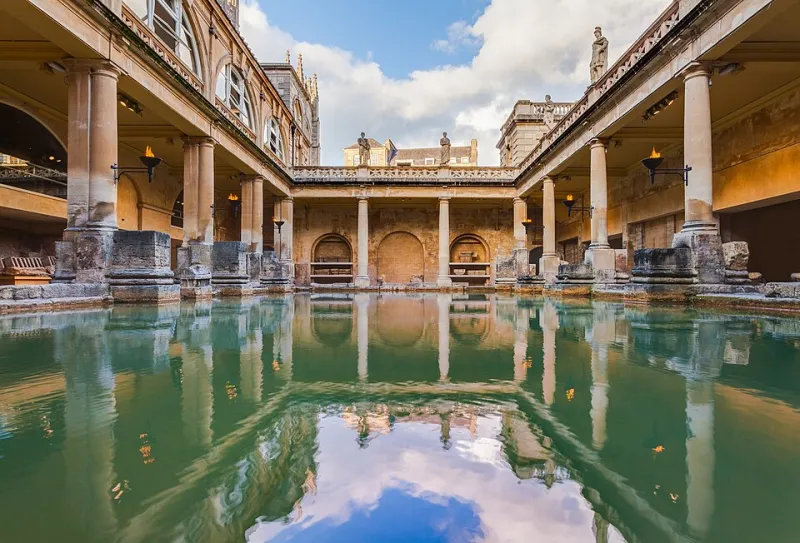
Photo: Diego Delso, CC BY-SA 4.0, via Wikimedia Commons
If your mental image of Roman Britain is a grim legionary on a windswept wall, or a gladiator waiting in a dusty arena, you are not alone. Sword-and-sandals films have done a lot of heavy lifting. But for many ordinary people in Roman Britain, the real social spectacle was not a fight to the death. It was a trip to the baths.
That is not to say the baths were a quiet spa break. They were busy, steamy, noisy places where people washed, exercised, gossiped, did deals, showed off and, occasionally, had their clothes nicked. The evidence is not just in the grand ruins at Bath. It is in drains, curse tablets, underfloor heating and the kind of everyday notes that survive at Vindolanda.
More Than a Wash
Roman bathhouses were spread across Britain, from fortress baths to town-centre complexes and private examples attached to villas. They were not all marble-clad palaces. Some were utilitarian, some were ambitious, and many were a serious engineering challenge in a damp, cool climate. Heating a large room in Britain was not a small job.
The famous site at Bath, Roman Aquae Sulis, is the obvious starting point. Its Great Bath, sacred spring and temple complex made it a destination as well as a wash. But bathhouses were also part of ordinary urban life. In Chester, a Roman bathhouse has been found preserved beneath later buildings, complete with hypocaust evidence and a plunge pool. It is a useful reminder that baths were not just for spa towns or the super-rich. They were part of the infrastructure of Roman towns.
At Vindolanda, the fort bathhouse sat beside the stream, and the site's writing tablets give us something rare: a paper trail of people organising their lives. Birthday invitations, requests for supplies, notes about clothes and favours between friends all survive. They do not read like imperial propaganda. They read like people trying to keep a social life running.
The Drain Is the Story
If you want to understand a Roman bathhouse, look at what went down the drain. At Bath, the drain of the Great Bath has produced coins, gemstones and pieces of jewellery. Some of these were probably offerings. Some were accidental losses. Some may have slipped from clothing while people were getting changed.
Then there are the curse tablets. Many of the messages thrown into the sacred spring at Bath are less eternal damnation and more someone nicked my cloak. People wrote on lead, asked the goddess Sulis Minerva for justice, and named the suspected thief or simply asked the deity to deal with whoever had done it. Theft was clearly a recurring worry at the baths. That makes sense. You took off your clothes, left them in a changing room, and hoped they were still there when you came back.
The drains and curses together give us a very human picture. The baths were not just about hygiene. They were places where property, trust and reputation were tested. A missing cloak was not a trivial matter. Clothes cost money, and a curse tablet was a way of turning a bad day into a religious complaint.
A Plausible Day at the Baths
A visit probably began in the apodyterium, the changing room. You might stash your clothes in a niche or with an attendant, though arrangements varied. From there, many bathers would move through a sequence of rooms: a warm room, a hot room, perhaps a cold plunge. Some bathhouses had exercise space, a yard or a palaestra. Not every site had every facility, and local routines probably differed.
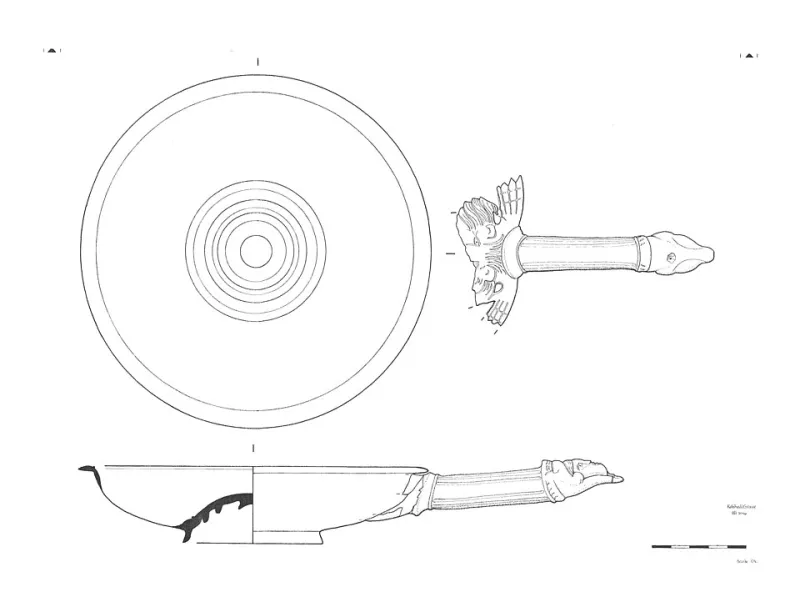
The bathing itself was not quite like a modern soap-and-shower job. Oil was used on the skin, and a strigil, a curved metal scraper, was used to remove oil, sweat and dirt. Soap as we know it was not the main event. The heat came from hypocaust systems: raised floors, stacks of tiles and furnaces pushing hot air beneath the building. In Britain, keeping those rooms warm was a practical obsession.
The social side was just as important. People met friends, made arrangements, complained about neighbours and perhaps tried to impress the right person. Some baths were mixed, some were segregated, and rules likely varied by place and period. The idea that every Roman bath was a scene of wild mixed bathing is a durable myth, but the reality was more regulated and more ordinary. Status mattered. Attendants mattered. Who you arrived with, and who saw you arrive, probably mattered too.
What Hollywood Gets Wrong
The biggest myth is that the baths were a decorative backdrop to violence and excess. In reality, they were closer to a community centre with underfloor heating. They were where a town did its social admin. The glamorous version also flattens the variety. Some bathhouses were luxurious. Many were practical. Some were small fort baths used by soldiers and camp followers. Others were civic statements.
The orgy myth is another old favourite. Roman bathing could be sociable, relaxed and sometimes raucous, but it was not a free-for-all. Ideas about nudity, status and gender varied across the empire and across time. Britain's bathhouses were part of that wider Roman world, but they also had local conditions to deal with: cold weather, wet ground and the cost of fuel.
And yes, the baths could be filthy by modern standards. Drains were not glamorous. But that is exactly why they are useful. They preserve the small disasters of daily life: the dropped gem, the lost coin, the stolen cloak, the curse written in frustration.
So forget the arena for a moment. The real Roman spectacle in Britain was a steamy room full of chatter, oil, scrapers and social ambition. The drains have kept the receipts.